
 Posted by
 Introduction: Infection Control Starts from the Ground Up
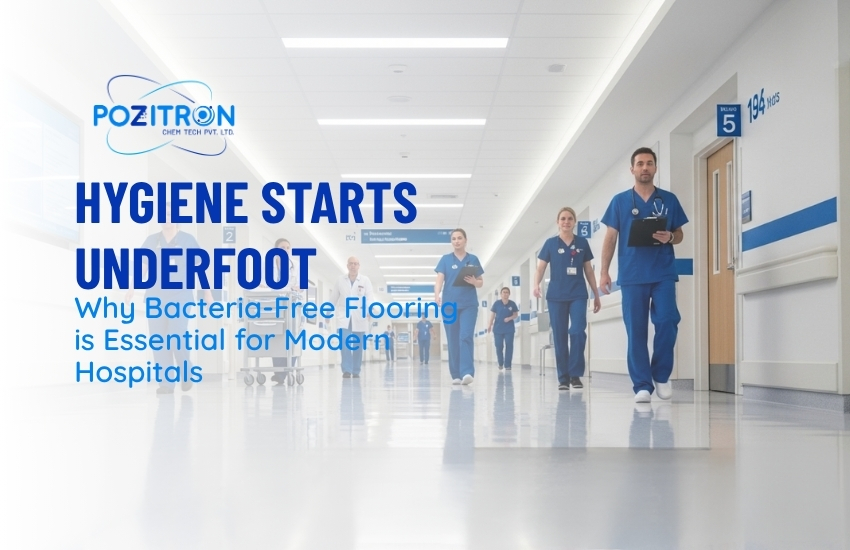
When people think about infection prevention in hospitals, they often picture doctors in masks, sterilized surgical instruments, and hand sanitizers at every corner. What rarely comes to mind is the hospital floor—a surface walked upon by thousands of patients, visitors, and healthcare workers every day.
Yet, research consistently shows that hospital-acquired infections (HAIs)—one of the leading causes of extended patient stays and preventable deaths—often find their origins in overlooked surfaces like walls and floors. Pathogens such as Staphylococcus aureus, E. coli, and Pseudomonas can survive for hours or even days on improperly maintained flooring. Once present, they can be spread by shoes, medical trolleys, and even air circulation systems.
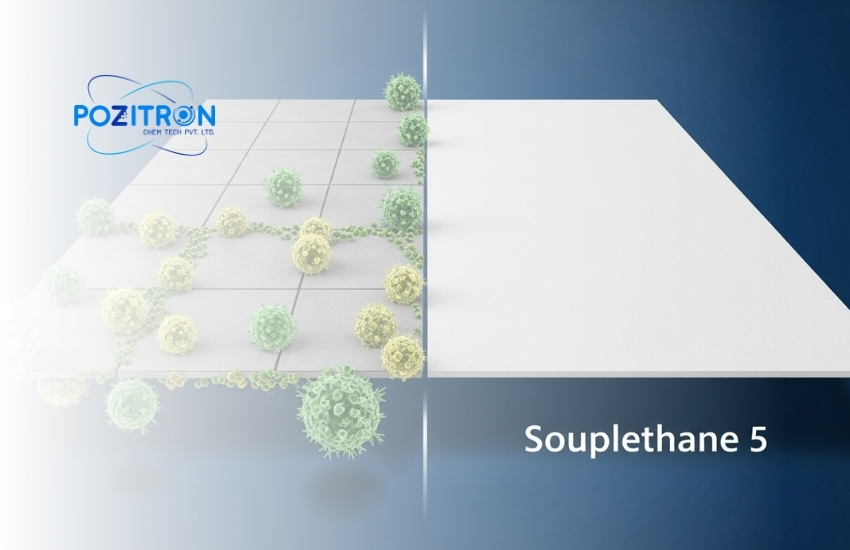
Traditional flooring solutions—ceramic tiles, vinyl sheets, or standard epoxy coatings—offer durability but fail in the hygiene department. Cracks, joints, and microscopic pores become breeding grounds for bacteria. Cleaning staff may disinfect the surfaces daily, but microbes can still linger in invisible crevices.
This is where POZITRON SOUPLETHANE 5, a two-component, solvent-free, polyurea-urethane flooring system, brings a revolutionary solution. Unlike conventional floors, Souplethane 5 forms a seamless, joint-free membrane with proven “no bacteria development” properties. In practical terms, this means bacteria sitting on the floor surface cannot multiply and are eliminated within a day—transforming infection control at its foundation.
Hospital-Acquired Infections: A Global Challenge
HAIs are a silent crisis. According to the World Health Organization (WHO), 7 out of every 100 hospitalized patients in developed countries and 10 in developing countries acquire at least one HAI during their stay. Common infections include bloodstream infections, urinary tract infections, pneumonia, and surgical site infections.
While hand hygiene and sterilization protocols have been strengthened worldwide, environmental surfaces still represent a weak link. Floors, due to their constant exposure to human activity, are hotspots for microbial contamination. Even with regular cleaning, dirt, fluids, and biofilm-forming bacteria can remain embedded in joints, cracks, and unsealed gaps.
In high-risk zones like intensive care units (ICUs), operating theaters, and burn wards, the stakes are even higher. Patients with compromised immunity are especially vulnerable, and any lapses in surface hygiene can lead to life-threatening infections.
By focusing on flooring as a critical component of infection prevention, hospitals can take a proactive step in reducing HAI rates.
The Limitations of Traditional Hospital Flooring
- Ceramic Tiles: While cost-effective, tiles come with grout lines that quickly accumulate dirt and microbes. Over time, grout deteriorates, becoming impossible to sanitize fully.
- Vinyl Flooring: Popular for being easy to install, but prone to seam separation and shrinkage, creating bacterial harbors.
- Epoxy Coatings: Common in labs and pharma, but many epoxy systems suffer from chalking, cracking, and limited resistance to aggressive disinfectants.
- Concrete Floors: Highly porous, making them unsuitable without advanced sealing systems.
The recurring theme is clear: joints, pores, and cracks = microbial growth zones. No matter how rigorous the cleaning protocol, traditional materials fall short of delivering the bacteria-free standard modern healthcare demands.
The Science Behind Souplethane 5’s Bacteria-Free Advantage
Souplethane 5 is not just another industrial floor coating—it’s engineered with infection control as a design principle.
1. Seamless Polyurea-Urethane Membrane
Once applied, the system forms a liquid-applied, seamless, microporosity-free membrane. Unlike tiles or vinyl, there are no joints where bacteria can hide.
2. Proven “No Bacteria Development”
Independent testing confirms that Souplethane 5 does not support microbial growth. Bacteria placed on the surface are unable to reproduce and die within 24 hours.
3. Resistance to Harsh Cleaning Agents
Hospital cleaning involves strong disinfectants, chlorine-based chemicals, and alcohol-based sanitizers. Souplethane 5 resists degradation under these chemicals, ensuring long-term performance.
4. Thermal Shock Durability
Operating rooms, kitchens, and labs often undergo rapid temperature shifts (from freezing cold to sterilization heat). Souplethane 5 withstands -50°C to +160°C thermal shocks without cracking.
5. Mechanical Strength
With a compressive strength of >110 MPa and tensile strength of 20 MPa, it easily supports hospital equipment, trolleys, and high foot traffic.
6. Eco-Safe Composition
- Solvent-free → No VOC emissions
- Odor-free → Safe for occupied facilities
- Bisphenol A-free → Sustainable compliance with green building norms
Applications in Healthcare & Beyond
Hospitals & Clinics
- ICUs & OTs: Zero-bacteria flooring prevents cross-contamination.
- Patient Wards: Cleaner environment for long-term recovery.
- Laboratories: Enhanced hygiene during sample processing.
Pharmaceutical Industry
- Clean rooms, formulation units, packaging halls.
- Supports GMP compliance with seamless, disinfectant-resistant surfaces.
Food & Beverage Plants
- Processing halls, cold storage, kitchens.
- Prevents contamination during food contact and handling.
Agro & Biotech Facilities
- Labs and pilot plants.
- Safe flooring for bio-sensitive environments.
Case Scenario: A Hospital ICU Transformation
A 500-bed hospital in India faced recurring HAI outbreaks in its ICU, despite investing heavily in cleaning staff and sterilization equipment. Investigations revealed cracked epoxy flooring and tile joints were harboring microbes, spreading them despite daily disinfection.
The facility replaced its ICU flooring with Souplethane 5 seamless hygienic flooring. Within three months, infection rates dropped by 40%, maintenance became easier, and the hospital projected cost savings of ₹1.2 crore annually due to reduced patient stays and lower antibiotic usage.This case highlights how flooring choice can directly influence infection rates and hospital economics.
Comparative Analysis: Souplethane 5 vs. Alternatives
| Feature | Tiles/Vinyl | Epoxy | Souplethane 5 |
| Joints/Seams | Present | Some | None |
| Bacteria Development | High | Moderate | None |
| Chemical Resistance | Moderate | Moderate | Excellent |
| Thermal Shock Resistance | Poor | Limited | Excellent (-50°C to +160°C) |
| Durability Under Cleaning | Weak | Moderate | Strong |
| Eco-Safe (VOC/BPA Free) | No | No | Yes |
Cost-Benefit & ROI of Souplethane 5
- Lower Maintenance Costs: No grout repairs, no epoxy chalking.
- Extended Life Cycle: 10+ years without major recoating.
- Reduced HAIs: Lower patient stays and antibiotic usage.
- Compliance Assurance: Meets global hygiene standards (ISO, GMP).
When factoring in the true cost of infections and downtime, Souplethane 5 delivers 5–10x ROI over traditional flooring.
Conclusion: A Floor That Saves Lives
Hospitals often spend on cutting-edge equipment and high-tech sterilization—but ignore the most obvious vector: the floor. With HAIs remaining a global health challenge, Souplethane 5 provides a proven, bacteria-free, seamless flooring solution that transforms infection control.
By choosing Souplethane 5, healthcare facilities not only invest in durability but also safeguard patients, reduce risks, and protect their reputation. Ready to explore Souplethane 5 for your hospital or pharma plant?
Contact Pozitron Chemtech Pvt. Ltd. for a consultation today.
